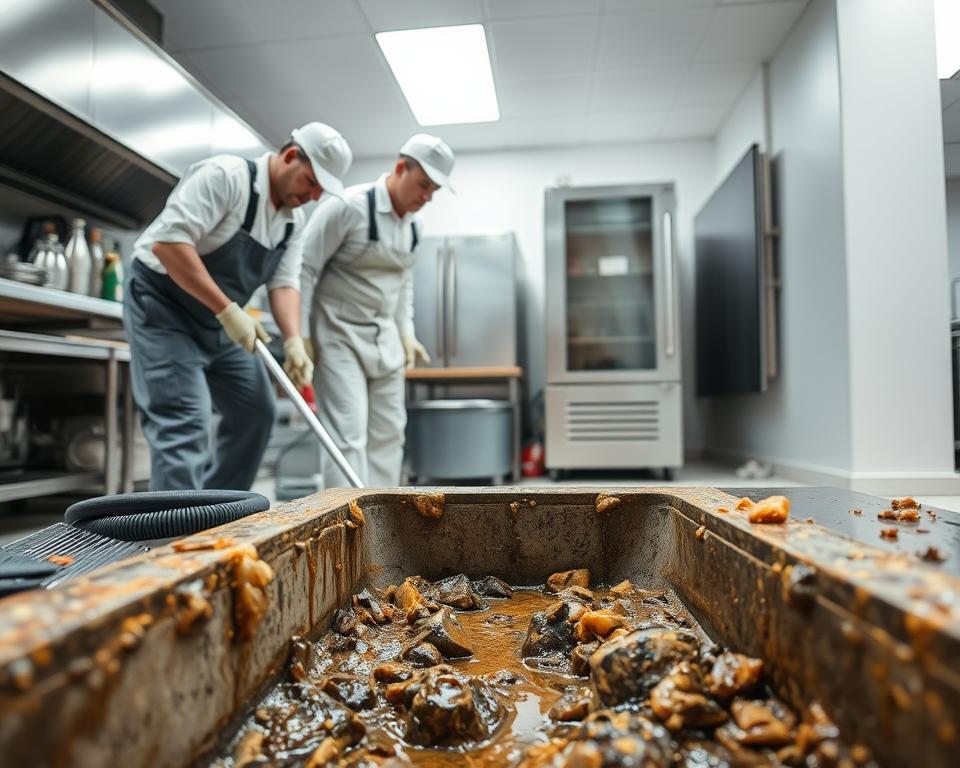
Have you ever considered the consequences of fats, oils, and scraps on your commercial kitchen’s pipes? This is a matter often neglected, however the consequences can be serious. Ensuring regular commercial interceptor pumping is essential for a well-functioning kitchen and to avoid high-priced drainage repairs. We offer professional grease waste removal tailored to your specific needs.
View more about grease cleaning and pumping

This resource about grease cleaning and pumping

Explore here about grease cleaning and pumping
At the heart of our services is regular upkeep of restaurant grease traps. This is essential for ensuring adherence to regulations and efficiency in your kitchen. With advanced equipment and expert staff on call around the clock, we aim to assist you in ensuring your company functioning without issues. Let’s explore the value of correct interceptor maintenance and the top strategies for a clean, compliant kitchen.
Comprehending Grease Interceptors And Their Value
Grease interceptors are essential for the smooth and sanitary running of restaurant kitchens. Also referred to as FOG interceptors, they treat the drainage from culinary facilities efficiently. Their function and significance are key to the long-term success of dining establishments.
Defining A Grease Interceptor
A grease trap is a plumbing device built to capture FOG waste prior to reaching the sewage system. Its primary role is to block these substances from blocking drains, which can cause major drainage issues. Placed within the plumbing system, these traps use internal baffles to trap solid waste and grease.
When water passes through the unit, low-density items like fat separate to the upper layer, whereas solid debris sink to the base. This ensures efficient separation, keeping the system operating without issues.
The Mechanism Of Grease Traps In Restaurants
The grease trap’s function is based on separation and storage. During intense service periods, during peak hours, keeping these units functional is crucial. Routine cleaning is needed to manage the buildup of FOG and debris.
This cleaning process eliminates the stored grease, averting obstructions and ensuring sanitary conditions. Proper FOG disposal methods keep the kitchen safe and legal with health department rules. Establishments that look after their grease traps efficiently enhance operational efficiency and maintain community health safety.
| Interceptor Role | Value In Food Service |
|---|---|
| Separates FOG from wastewater | Prevents plumbing clogs and costly repairs |
| Allows for routine cleaning | Guarantees adherence to sanitary laws |
| Promotes kitchen hygiene | Supports safe food handling practices |
Strategies For Effective Grease Trap Care
For any commercial kitchen, servicing grease units is indispensable. A regular schedule is essential to preventing blockages or overflows. Routine maintenance not only maintains productivity but also safeguards from regulatory fines.
Regular Maintenance Schedules
Creating a cleaning calendar is vital for optimal grease trap performance. Generally, these traps should be cleaned every 30 to 90 days, based on the volume of cooking and FOG production. A consistent plan minimizes the risk of FOG accumulation and related issues.
Indicators That Your Trap Requires Urgent Care
Identifying signs of interceptor failure can assist in preventing serious complications and costly repairs. Look out for these symptoms:
- Frequent backups in sinks and drains
- Bad stenches emanating from the trap
- Water draining slowly
It is essential to respond to these warnings immediately. Neglecting these warnings can cause serious fines and penalties from regulatory authorities. For effective grease removal in restaurant environments, hiring professional services ensures compliance and uninterrupted business.
Selecting The Best Grease Trap Pumping Company
Selecting the right grease trap pumping service is critical to keeping commercial kitchens running smoothly. It’s essential to comprehend the criteria to select the best option. This will greatly improve your establishment’s hygiene standards.
Factors To Consider When Hiring Grease Trap Services
Multiple aspects should influence your choice when picking a cleaning vendor:
- Track Record: Choose providers with a solid history. Their skill in handling FOG is extremely useful.
- Credentials: Verify that the service has the correct licenses and follows local waste disposal laws.
- Testimonials: Read comments from previous customers to measure trustworthiness and the standard of work.
- Technology and Process: Verify they employ advanced techniques for drain cleaning. Obsolete equipment may not be effective.
- Speed of Service: Quick action in emergencies is essential to stop financial losses from closure.
Benefits Of Using Professional Grease Removal Services
Professional grease trap services offer significant benefits:
- Effective Waste Disposal: Specialists make sure grease is handled legally, lowering environmental impact.
- Time Savings: Outsourcing grease maintenance allows your team to concentrate on cooking.
- Meeting Legal Standards: Service providers monitor regulatory changes, keeping your establishment within the law.
- Sanitation and Safety: Proper maintenance lowers sanitary risks and expensive clogs.
- Long-Term Cost Savings: Routine cleaning can stop high-priced restoration or replacements later on.
Ecological Effects Of Correct Grease Disposal
Proper grease waste disposal is essential for ecological preservation. Effective grease trap maintenance decreases impurities in nearby rivers and lakes. This not only safeguards marine ecosystems but also benefits the ecosystem’s cleanliness. Businesses must grasp their responsibility in handling waste to comply with grease trap waste regulations, thereby lowering the environmental impact of discarding fats and oils.
Ecological Benefits Of Correct Disposal
Efficient grease waste disposal offers numerous environmental benefits:
- It blocks FOG from tainting the water supply by stopping it from reaching the sewers.
- It aids the operation of water treatment facilities.
- It protects the vitality of the surrounding environment.
Laws Regarding Grease Trap Waste
Complying with waste management codes is mandatory for food service establishments. These rules ensure safe management of grease interceptor waste. Main regulations involve:
| Regulation | Explanation |
|---|---|
| Federal Water Law | A federal law that regulates discharges of pollutants into US water bodies. |
| Municipal Waste Rules | Specific rules set by local governments about the processing of FOG residue. |
| Record Keeping | Certified providers require comprehensive records of waste disposal activities to prove compliance. |
By following these laws, businesses ensure effective grease management and minimize their environmental impact. Recognizing the significance of responsible waste practices encourages long-term sustainability for our neighborhoods and environment.
Importance Of Grease Pumping In Food Service
In the high-speed environment of food service, interceptor maintenance are essential for keeping things running clean and fast. These interceptors are crucial in blocking fats from getting into the sewers, which often leads to clogs and cause expensive citations. Routine cleaning ensures these systems don’t overflow, safeguarding the facility from sanitary risks and ensuring food safety.
Keeping food service grease interceptors in excellent shape is key to satisfying sanitary regulations and maintaining a clean environment. A clean grease trap reduces the risk of unpleasant stenches and ensures a clean area for staff and customers. By selecting expert trap cleaning, eateries can concentrate on serving great food free from concerns about FOG disposal.
Moreover, regular pumping of grease interceptors is not just standard maintenance; it is a commitment in the long-term success of the establishment. Establishments that stick to a regular cleaning plan escape the requirement for emergency cleanups and back eco-friendly efforts through responsible FOG removal. Emphasizing the importance of this service is key for building a secure and legal restaurant setting.
******************************************************
Overview about grease cleaning and pumping

Full details about grease cleaning and pumping

Online resource about grease cleaning and pumping